AGP Executive Report
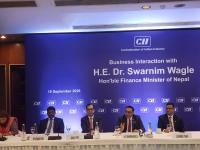
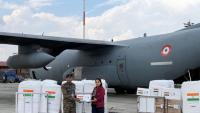
Last update: 5 hours agoClimate Risk & Early Warning: Nepal’s PM Balendra Shah says disaster early warning systems will get top priority after the Aug 26 Bhotekoshi–Trishuli floods, as recovery continues with 1,410 bodies recovered and 6,055 still uncontacted. Hydropower & Renewables Damage: A RDNA assessment pegs Bhotekoshi flood damage to household and community renewable energy at about Rs 568M across solar, biogas, micro-hydro and improved cookstoves, while hydropower sector losses and reconstruction needs keep mounting. Scientific Link to Warming: A World Weather Attribution study on the Rasuwa Aug 26 disaster finds human-caused climate change significantly raised temperatures, boosting rock-ice avalanche and flood risk. Trade & Industry Facilitation: Nepal and India agreed to simplify customs procedures and improve rail/road transit and integrated check posts to ease legitimate trade in agriculture, dairy, food, medicines and medical devices. Investment Push: Finance Minister Swarnim Wagle urged Indian industry to invest more in Nepal, pitching opportunities in clean energy and high-value agriculture. Energy Exports: Nepal exported electricity worth over Rs 5.09B in Bhadra, but Bangladesh exports remain suspended due to flood damage to Chilime and Trishuli structures. Heritage & Tourism Economy: The Cabinet declared Janaki Temple a protected monument zone, while Manaslu’s autumn season hit record permits and Rs 218.84M revenue. Policy & Governance: Bagmati Province appointed Rama Ale Magar as agriculture minister, and the government recommended ambassadors for 13 countries.
Note: AI summary from news headlines; neutral sources weighted more to help reduce bias in the result. Feedback is welcome. Please let us know if you have any comments or suggestions about the AGP Executive Report.

 Perspectify News